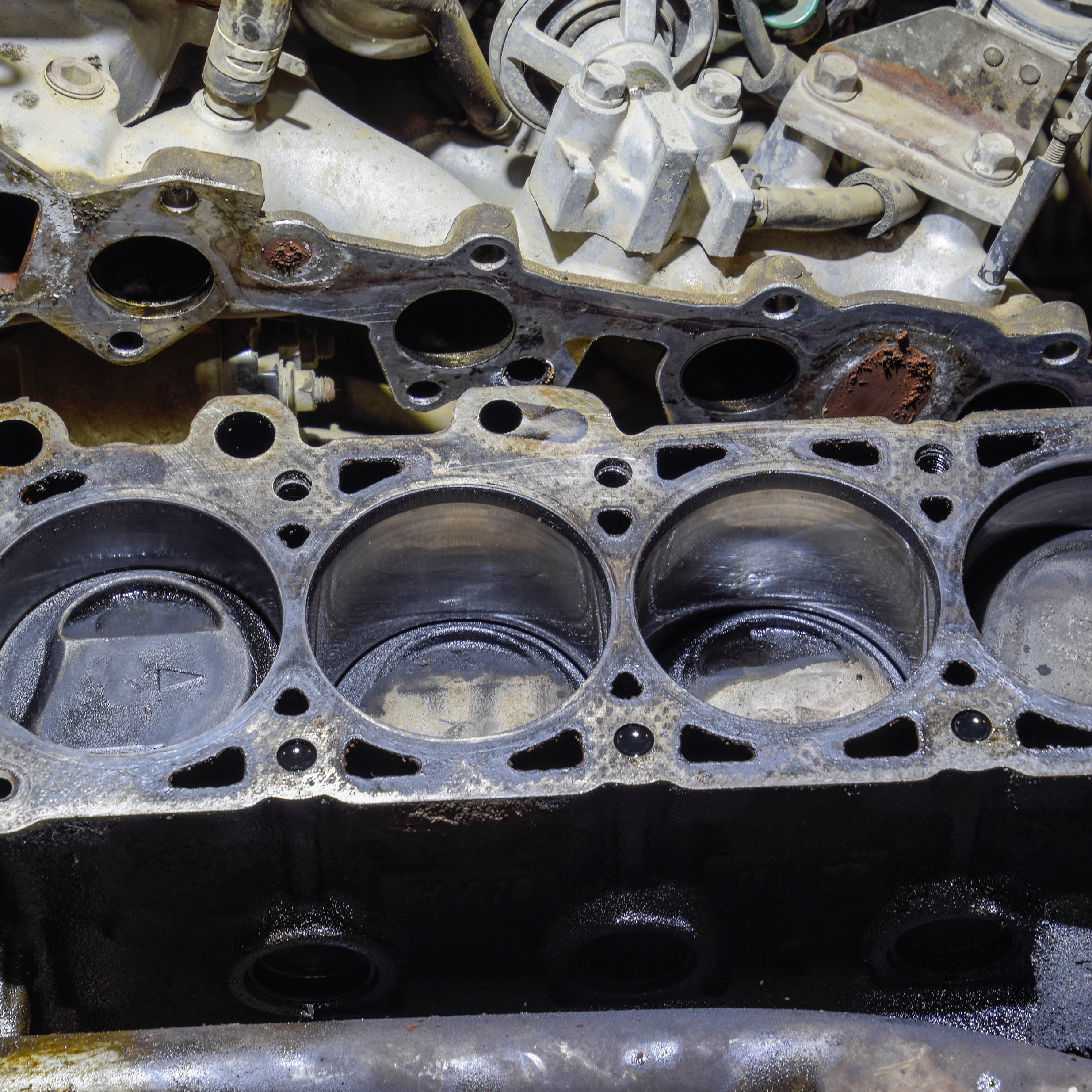


When a diesel engine overheats or loses coolant, many shops begin with a visual inspection of the cylinder head. They look for obvious cracks, surface damage, or warping. If nothing appears visible, the head may be resurfaced and reassembled.
That approach creates risk.
Pressure testing cylinder heads is a critical step in professional diesel engine repair. Visual inspection alone cannot detect internal cracks, coolant passage leaks, or casting porosity. In high compression diesel engines, hidden defects quickly turn into repeat failures.
This guide explains how a cylinder head pressure test diesel engines require works, why it matters, and how proper testing protects your engine investment.
What Is Pressure Testing Cylinder Heads?
Pressure testing cylinder heads is a diagnostic procedure used to detect internal cracks and coolant passage leaks that cannot be seen externally.
Diesel engines operate under extreme heat and pressure. Thermal cycling and combustion stress can create fractures inside the casting. Many of these defects are invisible to the naked eye.
A cylinder head pressure test diesel applications require simulates operating pressure to confirm structural integrity before machining or reassembly.
How the Test Works
The general procedure includes:
- Thorough cleaning of the cylinder head
- Sealing coolant and oil passages
- Applying controlled air pressure
- Submerging the head in water
- Observing for air bubbles that indicate leaks
Even small bubbles reveal structural weaknesses.
Why This Matters in Diesel Engines
Diesel engines generate higher compression and cylinder pressure than gasoline engines. As a result:
- Coolant passage cracks develop more frequently
- Micro fractures expand under load
- Hidden leaks worsen quickly after reassembly
Skipping pressure testing cylinder heads increases the likelihood of repeat teardown.
Why Visual Inspection Alone Fails
Many cracks are not visible on the surface. Surface inspection cannot detect internal casting defects or hairline fractures inside water jackets.
Surface Cracks vs Internal Cracks
Visual inspection may reveal:
- Large external cracks
- Obvious warping
- Surface pitting
However, it cannot reliably detect:
- Internal coolant leaks
- Porosity within the casting
- Micro fractures between valve seats
A cylinder head crack detection pressure test identifies these hidden issues.
Thermal Stress Creates Invisible Damage
Diesel engines experience repeated heating and cooling cycles. Over time, this stress leads to:
- Expansion and contraction fatigue
- Stress concentration between valves
- Fine cracks that propagate internally
These cracks may only open under pressure.
The Risk of Skipping Pressure Testing
Failing to pressure test cylinder heads can result in:
- Coolant loss after rebuild
- Combustion gases entering the cooling system
- Engine overheating
- Costly repeat disassembly
- Customer downtime
Professional repair requires verification, not assumptions.
The Complete Cylinder Head Pressure Test Diesel Process
A structured testing procedure ensures accurate results.
Step 1 Cleaning and Preparation
The head is cleaned to remove carbon and debris. Clean surfaces allow accurate sealing during testing.
Step 2 Sealing Coolant and Oil Passages
All openings are sealed with plates or specialized adapters to contain air pressure.
Step 3 Controlled Air Pressure Application
Air pressure is introduced into the coolant passages. The pressure level is carefully regulated to simulate operating conditions without overstressing the casting.
Step 4 Submersion and Observation
The head is submerged in water. Technicians observe for air bubbles, which indicate leaks or cracks.
Step 5 Documentation and Evaluation
Leak locations are documented. The head is evaluated to determine:
- Whether repair is possible
- If machining can proceed safely
- If replacement is required
This method ensures reliability before diesel cylinder head machining begins.
If no cracks or leaks are detected, technicians can safely proceed with complete diesel cylinder head repair and machining procedures.
Pressure Testing vs Magnaflux Inspection
Both tests serve different purposes and should not be confused.
What Magnaflux Detects
Magnetic particle inspection identifies:
- Surface cracks
- Near surface fractures
- Stress lines in cast iron
It is effective for external crack detection.
What Pressure Testing Cylinder Heads Detects
Pressure testing identifies:
- Internal coolant leaks
- Water jacket cracks
- Casting porosity
- Structural weaknesses that open under pressure
A cylinder head crack detection pressure test is essential when overheating or coolant loss is suspected.
Why Both Tests Are Important
In professional diesel repair, both inspection methods are used together. One identifies surface cracks. The other confirms internal integrity.
This comprehensive approach prevents incomplete repairs.
When Should a Cylinder Head Pressure Test Be Performed?
Pressure testing cylinder heads is recommended in several situations.
After Overheating
Overheating events are the leading cause of hidden cracking. Even if no crack is visible, pressure testing verifies integrity.
During Diesel Cylinder Head Repair
Any head removed for repair should undergo a cylinder head pressure test diesel engines require before machining or resurfacing.
Before Resurfacing
Machining a head with an internal crack wastes time and resources. Testing should precede machining.
When Coolant Loss Is Unexplained
If coolant disappears without visible leaks, internal cracking may be present.
Testing confirms or eliminates that possibility.
Common Problems Revealed by Pressure Testing
Pressure testing cylinder heads often uncovers defects that visual inspection misses. Many of these failures eventually cause compression loss due to valve seat or valve guide wear.
Cracks Between Valve Seats
These are common in high mileage diesel heads. They may not appear on the surface but leak under pressure.
Injector Bore Cracks
Injector bores are exposed to intense combustion heat. Small fractures may form and expand over time.
Coolant Passage Leaks
Internal water jacket cracks allow coolant into combustion chambers or oil passages.
Casting Porosity
Manufacturing imperfections can create microscopic voids that leak under pressure.
Identifying these issues early prevents repeat failure after rebuild.
Why Precision Testing Matters in Heavy Duty Diesel Engines
Heavy duty diesel engines operate under high compression and extreme load.
In commercial, industrial, and marine applications:
- Downtime is costly
- Engine failure affects operations
- Repeat repairs damage reputation
Pressure testing cylinder heads protects against these risks.
Protecting the Investment in Machining
Precision diesel cylinder head machining restores flatness and valve geometry. However, machining a cracked head does not solve structural problems.
Testing first ensures machining effort is not wasted.
Preventing Repeat Engine Tear Down
Repeat disassembly due to undetected cracks increases:
- Labor costs
- Customer frustration
- Downtime
- Shop liability
A thorough cylinder head pressure test diesel engines require eliminates uncertainty.
Why Motor Service Group Is Miami’s Trusted Diesel Machine Shop
Motor Service Group performs professional pressure testing cylinder heads as part of every comprehensive diesel cylinder head repair.
Our process includes:
- Complete cleaning and inspection
- Magnetic crack detection
- Controlled pressure testing
- Detailed structural evaluation
- Precision diesel cylinder head machining
We use strict inspection standards before reassembly to ensure reliability in heavy duty, industrial, and marine diesel engines.
As a precision diesel engine machine shop in Miami, we focus on long term performance, not temporary fixes.
Frequently Asked Questions
Q. Can a cylinder head pass visual inspection but fail pressure testing?
Yes. Many internal cracks are invisible externally but leak under pressure.
Q. How much pressure is applied during testing?
Pressure levels vary depending on application but are carefully controlled to simulate operating conditions safely.
Q. Is pressure testing necessary for every diesel rebuild?
Yes. It verifies structural integrity before machining and prevents repeat failure.
Q. Can a cracked head be repaired after pressure testing?
Some cracks can be repaired depending on location and severity. Structural assessment determines feasibility.
Q. How long does pressure testing take?
Testing time depends on preparation and evaluation but is essential before proceeding with machining.
Schedule Professional Pressure Testing in Miami
Visual inspection alone is not enough to guarantee cylinder head integrity. Hidden cracks and internal coolant leaks can cause immediate failure after reassembly.
Pressure testing cylinder heads is a critical step in professional diesel engine repair.
Motor Service Group provides expert cylinder head pressure test diesel services backed by precision inspection and machining expertise.
If your diesel engine has overheated, lost coolant, or is undergoing cylinder head repair, contact Motor Service Group today to schedule professional pressure testing and protect your engine investment.