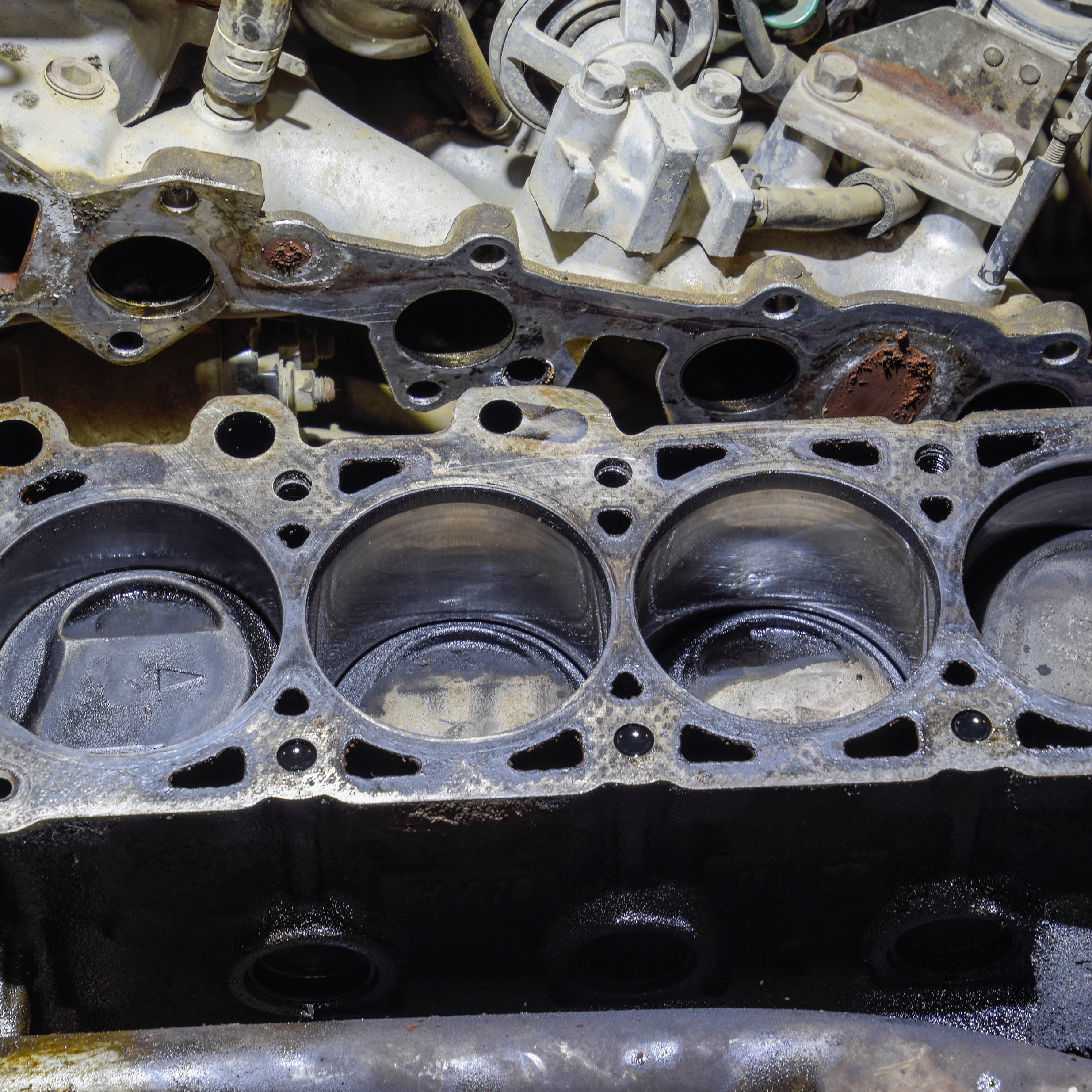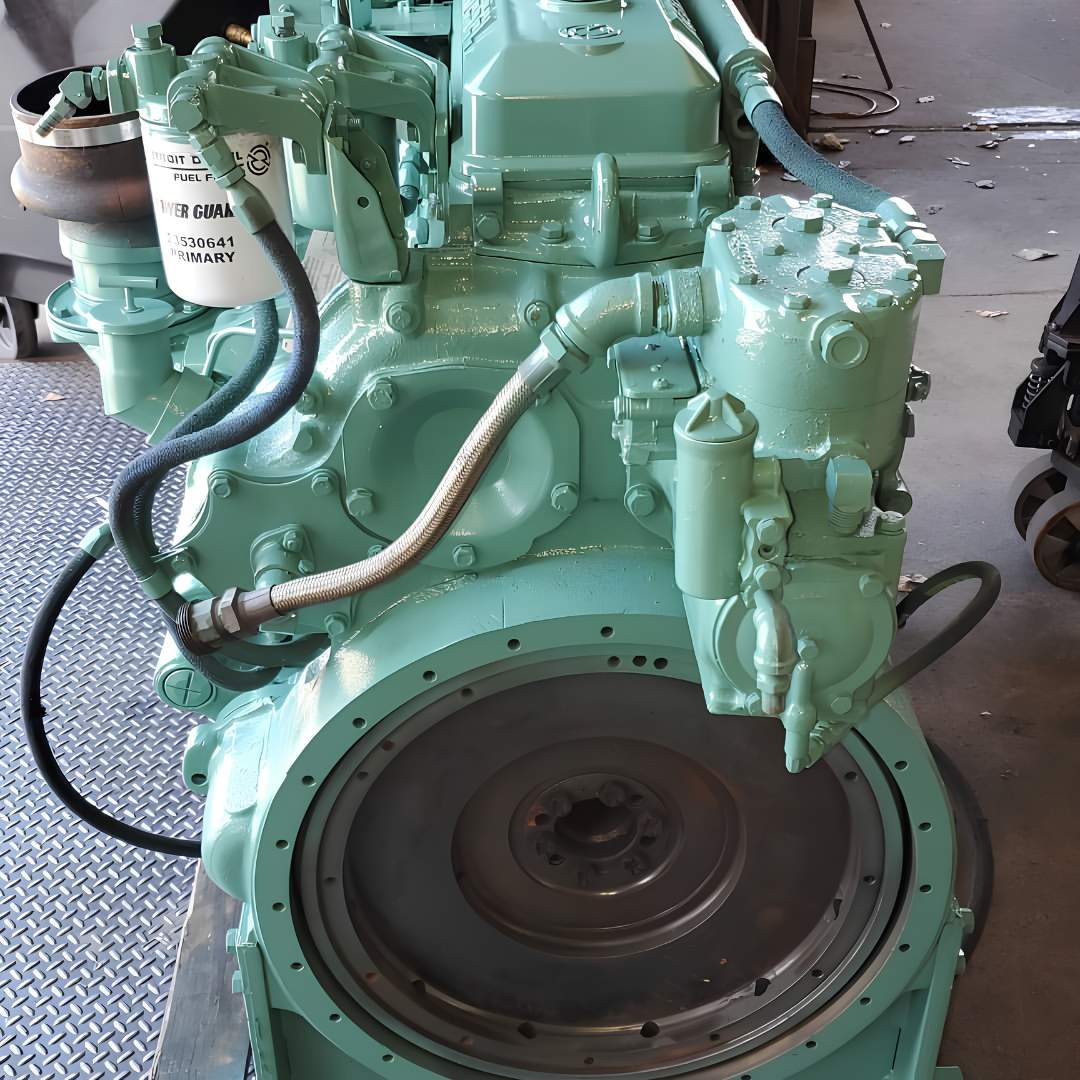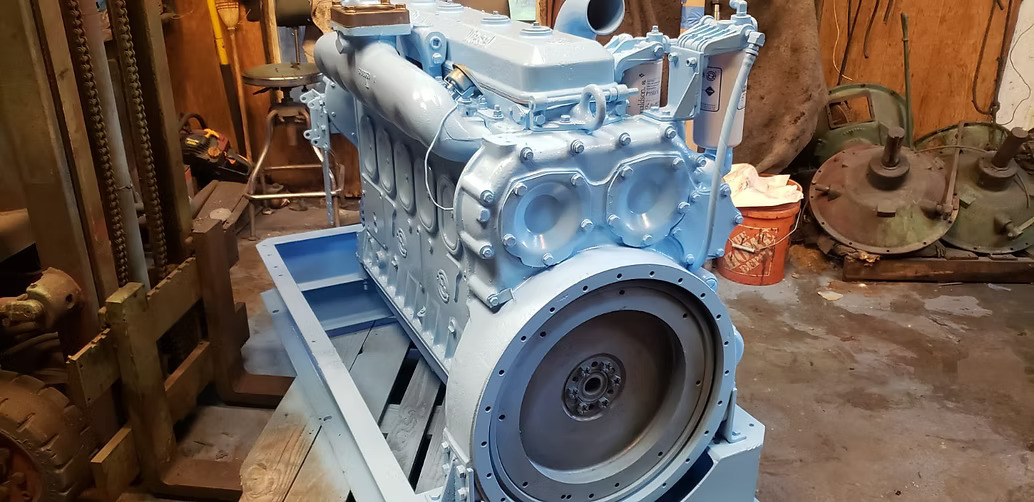


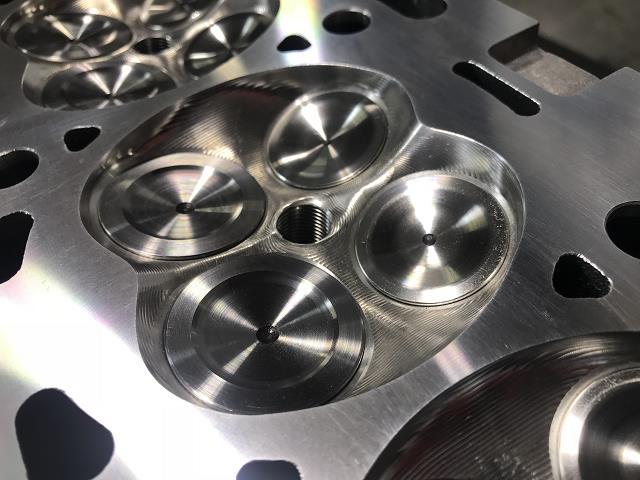
The cylinder head is one of the most critical structural and functional components in any diesel engine. It seals combustion pressure, directs airflow, houses valves and injectors, and manages extreme thermal loads. When it fails, performance drops immediately and engine damage can escalate quickly.
Professional diesel cylinder head repair is not simply a cleaning and resurfacing job. It requires systematic inspection, advanced diesel cylinder head machining, crack detection, precision measurement, and strict adherence to OEM tolerances.
This guide explains diesel cylinder head failure causes, details the full inspection and machining process, and outlines proven failure prevention strategies for heavy duty diesel engines.
What Is Diesel Cylinder Head Repair?
Diesel cylinder head repair is the restoration of a damaged or worn cylinder head to manufacturer specifications through inspection, machining, component replacement, and structural verification.
Diesel engines operate at high compression ratios and extreme temperatures. Because of this, even minor distortion or wear can compromise:
- Combustion sealing
- Compression efficiency
- Fuel economy
- Cooling system integrity
- Valve timing performance
Precision is mandatory.
The Role of the Cylinder Head in a Diesel Engine
The cylinder head performs multiple essential functions:
- Seals the combustion chamber against high compression pressure
- Controls intake and exhaust airflow
- Supports injector alignment
- Channels coolant for temperature control
- Maintains structural rigidity under load
Any dimensional inaccuracy affects overall engine reliability.
Why Diesel Cylinder Head Repair Demands Precision
Improper repairs can lead to:
- Head gasket failure
- Coolant contamination
- Compression loss
- Valve misalignment
- Increased oil consumption
- Premature engine rebuild
Correct diesel cylinder head machining restores structural integrity and prevents recurring failure.
Common Diesel Cylinder Head Failure Causes
Understanding diesel cylinder head failure causes allows operators to identify warning signs early and reduce catastrophic damage.
1. Overheating
Overheating is the leading cause of cylinder head damage. Common sources include:
- Low coolant levels
- Failed water pumps
- Clogged radiators
- Thermostat malfunction
- Cooling fan failure
Prolonged overheating causes:
- Warped deck surfaces
- Micro cracking
- Head gasket deterioration
- Metal fatigue
Repeated overheating events accelerate failure.
2. Cracked Cylinder Heads
Cracks develop due to:
- Extreme combustion pressure
- Thermal cycling
- Coolant contamination
- Freeze damage
- Casting fatigue over time
Cracks frequently appear between valve seats or near injector bores. Without proper inspection, they may remain hidden.
3. Warped Sealing Surfaces
Excessive heat causes deck distortion. A warped surface prevents proper head gasket sealing, leading to combustion leaks or coolant mixing.
4. Valve Seat and Guide Wear
High mileage engines often show:
- Receded valve seats
- Worn valve guides
- Poor valve sealing
- Reduced compression
This contributes to rough operation and increased exhaust temperature.
5. Improper Prior Repairs
Incorrect machining or resurfacing beyond manufacturer limits can create long term structural weakness.
Recognizing diesel cylinder head failure causes early minimizes downtime and cost.
Diesel Cylinder Head Inspection Process
A complete inspection determines whether the cylinder head is repairable and what machining procedures are required.
Visual and Dimensional Assessment
Technicians examine:
- Visible cracks
- Coolant erosion
- Surface pitting
- Thread damage
- Injector bore wear
- Valve face condition
Initial inspection establishes structural viability.
Crack Detection Procedures
Magnetic particle inspection is used for cast iron heads. This reveals:
- Surface cracks
- Subsurface fractures
- Stress concentration zones
Crack detection ensures structural integrity before machining.
Pressure Testing
Pressure testing verifies coolant passage integrity and identifies internal leaks that visual inspection cannot detect. Before any machining begins, professional shops perform pressure testing cylinder heads to detect internal cracks and coolant leaks that cannot be seen during visual inspection alone.
A cylinder head that fails pressure testing cannot be safely reinstalled without repair.
Flatness and Warpage Measurement
Precision straight edges and dial indicators measure deck flatness. If distortion exceeds OEM limits, resurfacing is required.
Flatness directly impacts gasket sealing reliability.
Valve Train Measurement
Each valve assembly is evaluated for:
- Stem clearance
- Seat width
- Concentricity
- Spring tension
This determines the scope of diesel cylinder head machining required.
Diesel Cylinder Head Machining Explained
Diesel cylinder head machining restores geometry, sealing surfaces, and valve operation.
Cylinder Head Resurfacing
Resurfacing corrects warped decks and restores gasket sealing integrity.
Key considerations include:
- Maximum allowable material removal
- Surface finish compatibility with gasket type
- Parallel alignment across the head
Removing excessive material alters compression ratio and engine balance.
Valve Seat Reconditioning
Valve seats are either cut or replaced to restore: When valve seats or guides wear beyond tolerance, sealing problems can lead to compression loss and reduced engine performance.
- Proper seat angle
- Correct contact width
- Accurate concentric alignment
Improper seat geometry leads to compression loss and overheating.
Valve Guide Replacement
Worn guides are removed and replaced. Honing establishes precise stem clearance.
Correct guide clearance ensures:
- Stable valve motion
- Reduced oil consumption
- Improved combustion efficiency
Injector Bore and Tube Service
Diesel heads often require:
- Injector tube replacement
- Bore resurfacing
- Thread repair
These procedures are critical for fuel system integrity.
Deck Milling and Tolerance Control
Deck milling restores flatness while maintaining compression ratio within specification.
Strict tolerance verification prevents imbalance between cylinders.
Complete Diesel Cylinder Head Repair Workflow
A structured process ensures reliability:
- Complete disassembly
- Cleaning and carbon removal
- Crack detection and pressure testing
- Flatness measurement
- Required diesel cylinder head machining
- Valve seat and guide service
- Thread and injector repairs
- Reassembly using correct torque procedures
- Final quality control verification
Each stage is necessary for dependable results.
How to Prevent Diesel Cylinder Head Failure
Preventive maintenance significantly reduces the likelihood of costly repairs.
Maintain Cooling System Integrity
Routine checks should include:
- Coolant level verification
- Radiator cleaning
- Thermostat inspection
- Hose inspection
- Fan operation testing
Cooling system neglect is the most common contributor to diesel cylinder head failure causes.
Monitor Operating Temperature
Operators should respond immediately to overheating events. Continuing operation under high temperature accelerates head damage.
Perform Scheduled Inspections
Preventive inspections allow early detection of:
- Valve seat wear
- Minor cracks
- Surface distortion
- Coolant leakage
Early intervention reduces machining complexity and cost.
Maintain Proper Torque Procedures
Improper torque during installation can cause uneven clamping force and warping.
Following manufacturer torque sequences prevents distortion.
Why Professional Diesel Cylinder Head Repair Matters
Precision repair ensures long term durability.
Risks of Inaccurate Machining
Improper machining may result in:
- Uneven compression
- Head gasket leaks
- Valve misalignment
- Reduced engine efficiency
- Premature engine rebuild
Machine shop accuracy directly impacts engine life.
Importance of Following OEM Specifications
OEM specifications define:
- Maximum resurfacing limits
- Surface finish requirements
- Valve geometry standards
- Guide clearance tolerances
Ignoring these standards leads to repeat failures.
Long Term Engine Reliability
Accurate diesel cylinder head repair extends engine service life and reduces overall operating costs.
Why Motor Service Group Is Miami’s Trusted Diesel Machine Shop
Motor Service Group specializes in precision diesel cylinder head repair and diesel cylinder head machining for heavy duty, industrial, marine, and fleet engines.
Our capabilities include:
- Complete crack detection and pressure testing
- Precision resurfacing and seat cutting
- Guide replacement and honing
- Injector tube and bore service
- Strict tolerance verification
We follow OEM specifications and maintain tight quality control throughout every repair.
Serving Miami and surrounding regions, we understand the demands placed on commercial diesel engines and the importance of reliable turnaround.
Our focus is long term reliability, not temporary solutions.
Frequently Asked Questions
Q. What are the first signs I need diesel cylinder head repair?
Overheating, coolant loss, white smoke, compression loss, and rough idle are common indicators.
Q. Can every cracked head be repaired?
Some cracks can be repaired depending on location and severity. Structural integrity must be verified through inspection.
Q. How much material can be removed during resurfacing?
Material removal must remain within manufacturer limits to preserve compression ratio and structural balance.
Q. Is diesel cylinder head machining better than replacing the head?
In many cases, professional repair is cost effective if the casting remains structurally sound.
Q. How long does the repair process take?
Turnaround depends on damage extent and required machining procedures.
Schedule Professional Diesel Cylinder Head Repair in Miami
Diesel engines operate under extreme pressure and temperature. Cylinder head issues must be addressed immediately to prevent engine failure.
Motor Service Group provides expert diesel cylinder head repair and diesel cylinder head machining backed by precision inspection, advanced equipment, and strict quality control.
If your engine shows signs of overheating, compression loss, or suspected cylinder head damage, contact Motor Service Group today to schedule a professional inspection and restore dependable engine performance.