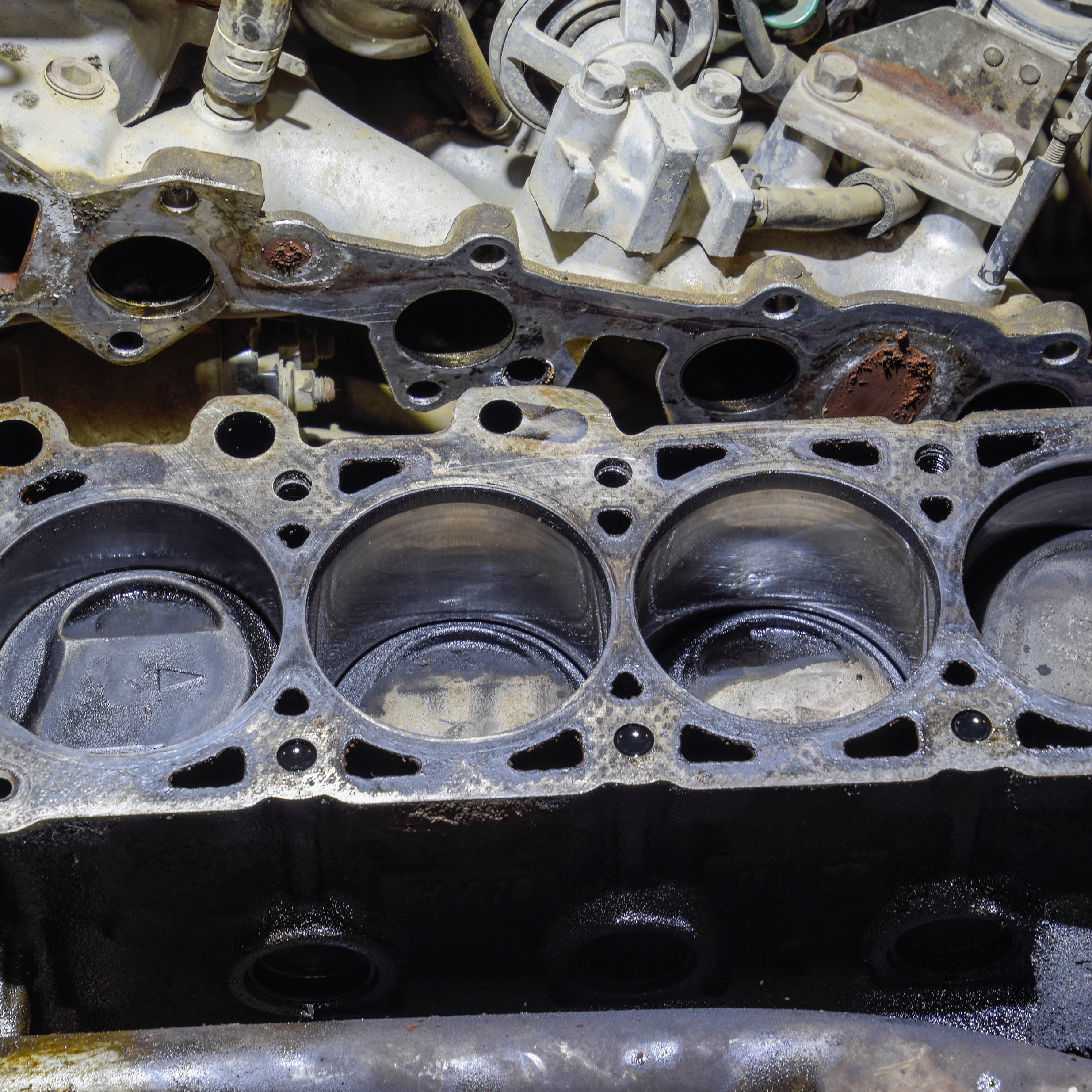


A compression loss diesel engine problem is never minor. Diesel engines rely entirely on high compression to ignite fuel. When compression drops, performance declines immediately. Hard starts, power loss, rough idle, and excessive smoke are common symptoms.
While piston rings and head gaskets are often blamed, diesel valve seat wear and diesel valve guide wear are frequent but overlooked causes of compression loss. In heavy duty and industrial applications, even small sealing imperfections can lead to significant performance problems.
This guide explains how valve seat and guide wear cause compression loss, how to diagnose it correctly, and how precision machining restores engine reliability.
What Compression Loss in a Diesel Engine Really Means
Diesel engines do not use spark plugs. Instead, fuel ignites from heat created by compression. If compression drops below required levels, combustion becomes incomplete or inconsistent.
How Compression Works in Diesel Combustion
During the compression stroke:
- The piston moves upward
- Air is compressed to very high pressure
- Heat builds from compression
- Fuel is injected and ignites
For this process to work efficiently, the combustion chamber must seal completely. That seal depends heavily on proper valve seating.
Why Compression Loss Diesel Engine Problems Reduce Performance
When compression drops, you may notice:
- Hard starting, especially when cold
- Loss of engine power
- Increased fuel consumption
- White or black exhaust smoke
- Rough idle or misfire
These symptoms indicate that air is escaping instead of being compressed.
The Mechanical Causes of Compression Loss Diesel Engine Failures
A compression loss diesel engine condition can develop from multiple sources. However, in cylinder head related issues, valve sealing is a primary factor.
Diesel Valve Seat Wear and Its Effect on Sealing
Valve seats create the sealing surface between the valve and the cylinder head. Over time, diesel valve seat wear can occur due to:
- High exhaust temperatures
- Repeated combustion pressure
- Improper machining
- Contaminants in fuel or air
When seat contact width becomes uneven or recessed:
- The valve does not seal fully
- Combustion gases escape
- Compression drops
- Heat transfer decreases
Loss of proper contact width is one of the most common causes of sealing failure.
Diesel Valve Guide Wear and Valve Instability
Diesel valve guide wear affects how the valve moves within the head. Guides must maintain precise clearance to ensure the valve moves straight and seats correctly.
When guide clearance exceeds specification:
- The valve tilts or wobbles
- The seating surface becomes uneven
- Oil may enter the combustion chamber
- Valve sealing becomes inconsistent
Diesel valve guide wear often accelerates diesel valve seat wear, compounding the compression issue.
Other Causes of Compression Loss
Although this article focuses on seat and guide wear, other causes include:
- Worn piston rings
- Cracked cylinder heads
- Head gasket failure
- Cylinder wall damage
Accurate diagnosis is essential before machining begins.
How Diesel Valve Seat Wear Develops Over Time
Valve seat wear does not happen overnight. It progresses gradually under extreme conditions.
High Temperature Exhaust Stress
Exhaust valves operate at high temperatures. Repeated thermal cycling weakens the seat material and can cause recession.
Improper Machining
If valve seat machining was performed incorrectly during a previous repair:
- Contact width may be incorrect
- Seat angle may be inaccurate
- Concentricity may be compromised
These issues lead to uneven sealing and premature wear.
Combustion Contaminants
Dirty fuel, improper filtration, and carbon buildup contribute to seat erosion.
Lack of Preventive Inspection
Without regular inspection, early signs of diesel valve seat wear go unnoticed until compression loss becomes severe.
Understanding Diesel Valve Guide Wear
Valve guides control the alignment of the valve stem as it opens and closes. Proper guide clearance is critical.
Proper Guide Clearance
Each manufacturer specifies exact guide clearance limits. Clearance must allow smooth movement without excessive side play.
If clearance is too tight:
- The valve may stick
- Heat transfer is reduced
If clearance is too loose:
- The valve becomes unstable
- The seating surface becomes uneven
- Oil consumption increases
Signs of Excessive Diesel Valve Guide Wear
Common symptoms include:
- Blue exhaust smoke
- Increased oil usage
- Rough idle
- Irregular compression readings
Diesel valve guide wear often accompanies diesel valve seat wear in high mileage engines.
How Guide Wear Accelerates Seat Damage
When a valve is not perfectly aligned, it strikes the seat unevenly. Over time, this causes:
- Uneven seat wear
- Reduced contact width
- Incomplete sealing
The result is a compression loss diesel engine condition that worsens progressively.
Diagnosing Compression Loss Diesel Engine Problems
Proper diagnosis prevents unnecessary repairs.
Compression Testing
A compression test measures pressure in each cylinder. Low readings indicate leakage through:
- Valves
- Rings
- Gaskets
If compression improves after adding oil, rings may be worn. If not, valve sealing is often the issue.
Leak Down Testing
Leak down testing introduces air into the cylinder and measures leakage percentage.
Listening for air escaping through the intake or exhaust ports helps identify valve related leakage.
Visual Inspection
Inspection may reveal:
- Burned valves
- Recessed seats
- Carbon buildup
However, visual inspection alone cannot confirm sealing integrity. In many cases, technicians also perform pressure testing cylinder heads to confirm that hidden cracks or coolant leaks are not contributing to compression loss.
Measuring Seat and Guide Tolerances
Professional inspection includes:
- Checking valve seat contact width
- Measuring guide clearance
- Verifying concentricity
Precision measurement determines whether machining is required.
The Precision Machining Solution
When diesel valve seat wear and diesel valve guide wear cause compression loss, machining restores performance. When valve seats and guides are restored to specification, the final step often involves complete diesel cylinder head repair and machining to ensure long term engine reliability.
Valve Seat Recutting or Replacement
Seat machining restores:
- Proper contact width
- Correct seating angle
- Concentric alignment
If seats are severely worn, replacement inserts may be required.
Valve Guide Replacement and Honing
Worn guides are removed and replaced. Honing establishes correct clearance for stable valve movement.
Restoring Contact Width and Alignment
Proper contact width ensures:
- Effective heat transfer
- Full sealing under load
- Even valve seating
Precision machining eliminates uneven wear patterns.
Why Accurate Machining Prevents Repeat Failures
Inaccurate machining can lead to:
- Persistent compression loss
- Overheating
- Premature valve failure
Precision diesel machine work ensures long term reliability.
Preventing Valve Seat and Guide Wear
Preventive maintenance reduces wear progression.
Maintain Cooling System Efficiency
Overheating accelerates valve and seat damage. Cooling systems must be maintained properly.
Proper Valve Lash Adjustment
Incorrect lash increases impact force on seats and guides.
Regular Cylinder Head Inspection
Scheduled inspection identifies early diesel valve seat wear before compression drops significantly.
Address Early Symptoms Immediately
Hard starting and rough idle should not be ignored. Early intervention reduces repair complexity.
Why Motor Service Group Is Miami’s Trusted Diesel Machine Shop
Motor Service Group specializes in diagnosing and repairing compression loss diesel engine problems caused by valve seat and guide wear.
Our services include:
- Precision valve seat machining
- Valve guide replacement and honing
- Full cylinder head inspection
- Accurate tolerance verification
- Complete diesel cylinder head repair
As a dedicated diesel engine machine shop in Miami, we focus on precision and long term reliability for heavy duty, industrial, and fleet applications.
We do not rely on assumptions. We measure, machine, and verify.
Frequently Asked Questions
Q. Can diesel valve seat wear alone cause compression loss?
Yes. If the valve does not seal completely, combustion pressure escapes and compression drops.
Q. How do I know if I have diesel valve guide wear?
Symptoms include oil consumption, smoke, rough idle, and uneven compression readings.
Q. Is compression loss always a piston ring issue?
No. Valve seat and guide wear are common cylinder head related causes.
Q. Can machining restore full compression?
If the cylinder head is structurally sound, proper machining can restore sealing and compression performance.
Q. How often should valve seats and guides be inspected?
Inspection intervals depend on engine use and load conditions, but regular checks during major service are recommended.
Schedule Professional Inspection in Miami
A compression loss diesel engine problem should never be ignored. Early diagnosis prevents severe engine damage and costly downtime.
Motor Service Group provides expert inspection, precision valve seat machining, and valve guide replacement for diesel engines in Miami.
If your engine is experiencing power loss, hard starting, or suspected compression issues, contact Motor Service Group today to schedule a professional cylinder head evaluation and restore reliable performance.